Winter Hummingbird Feeding

Where hummingbirds spend the winter, such as Anna's hummingbirds along much of the Pacific Coast, keep at least one feeder available. Stop the nectar freezing with a feeder heater made for the purpose, a sheltered spot, or by rotating two feeders between indoors and out, and keep using the standard 1 part sugar to 4 parts water recipe.

5 guides in this collection.
Updated on October 2, 2026

Guides

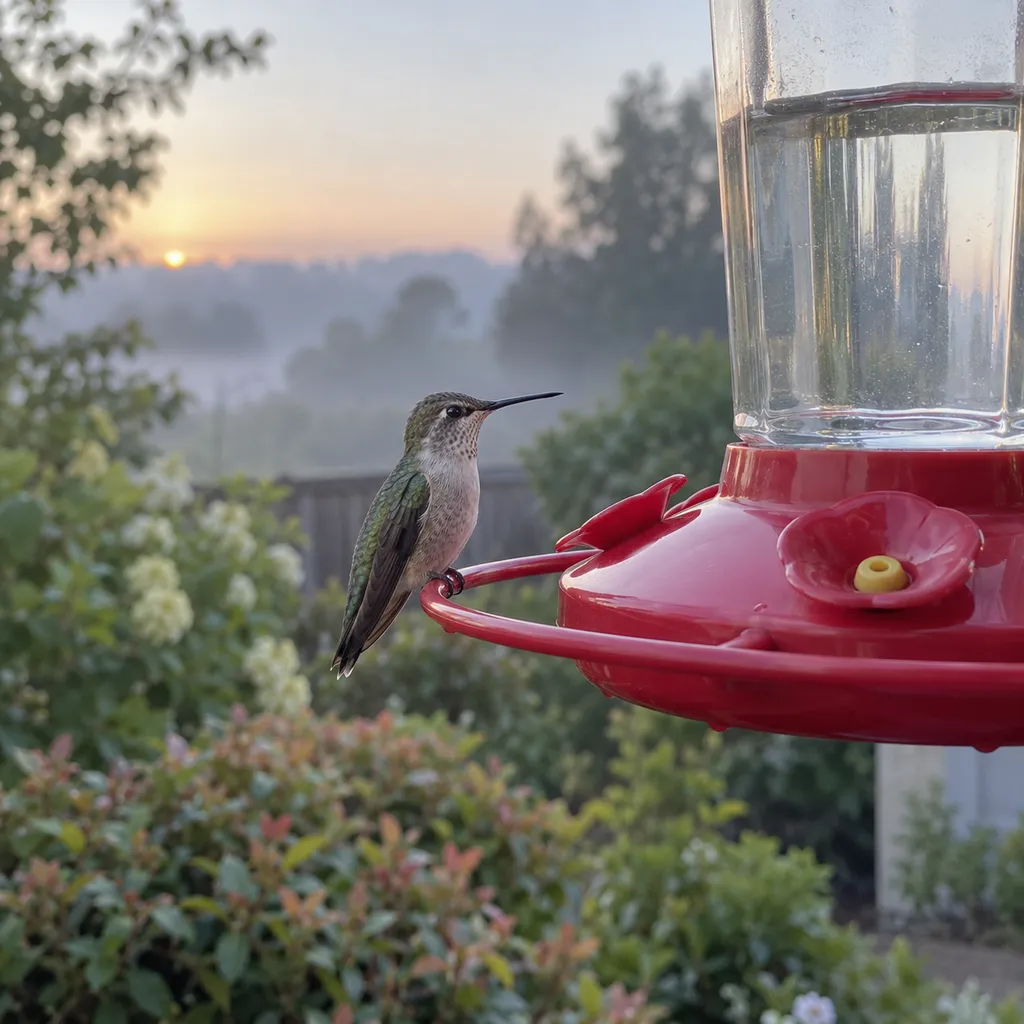
A small hummingbird sits quietly on a red feeder at dawn with clear nectar visible.
Winter Feeding Hummingbird Not Moving on the Feeder: Torpor Explained

If a hummingbird is perched and not moving on your feeder, it may be conserving energy in torpor. Here is how to observe safely and keep the feeder useful.
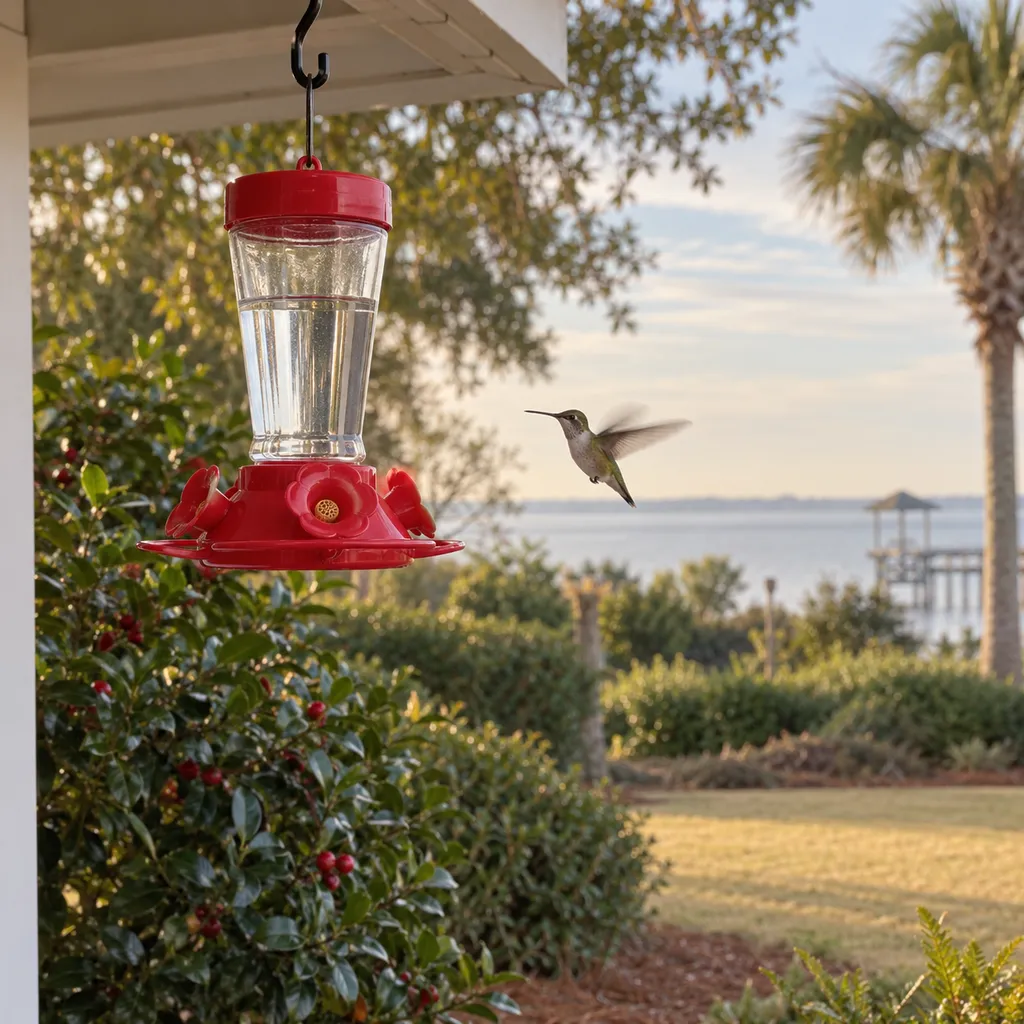
A hummingbird hovers near a red feeder in a sheltered Gulf Coast winter yard.
Winter Feeding Winter Hummingbirds on the Gulf Coast

Gulf Coast yards can host winter hummingbirds, especially along coastal Texas, Louisiana, Mississippi, Alabama, and Florida. Here is how to keep a feeder useful without overcomplicating the routine.

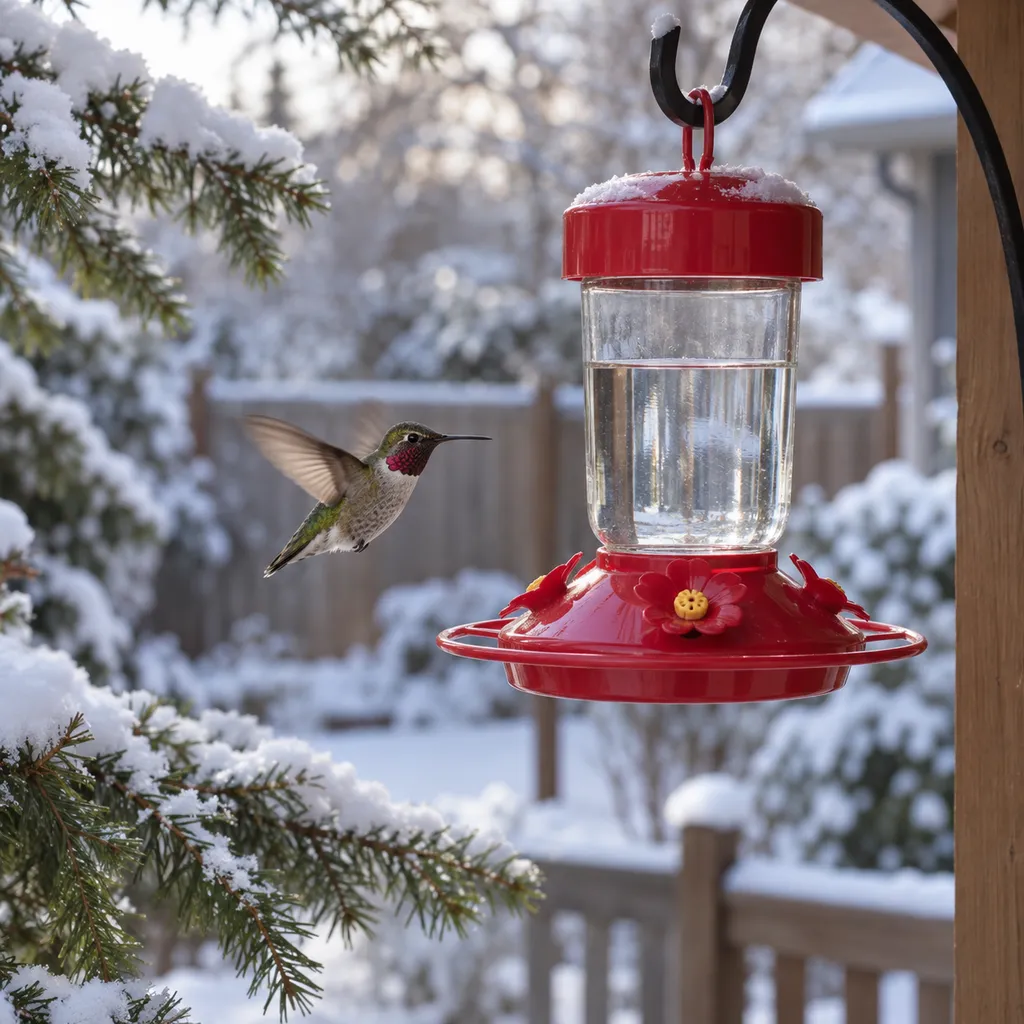
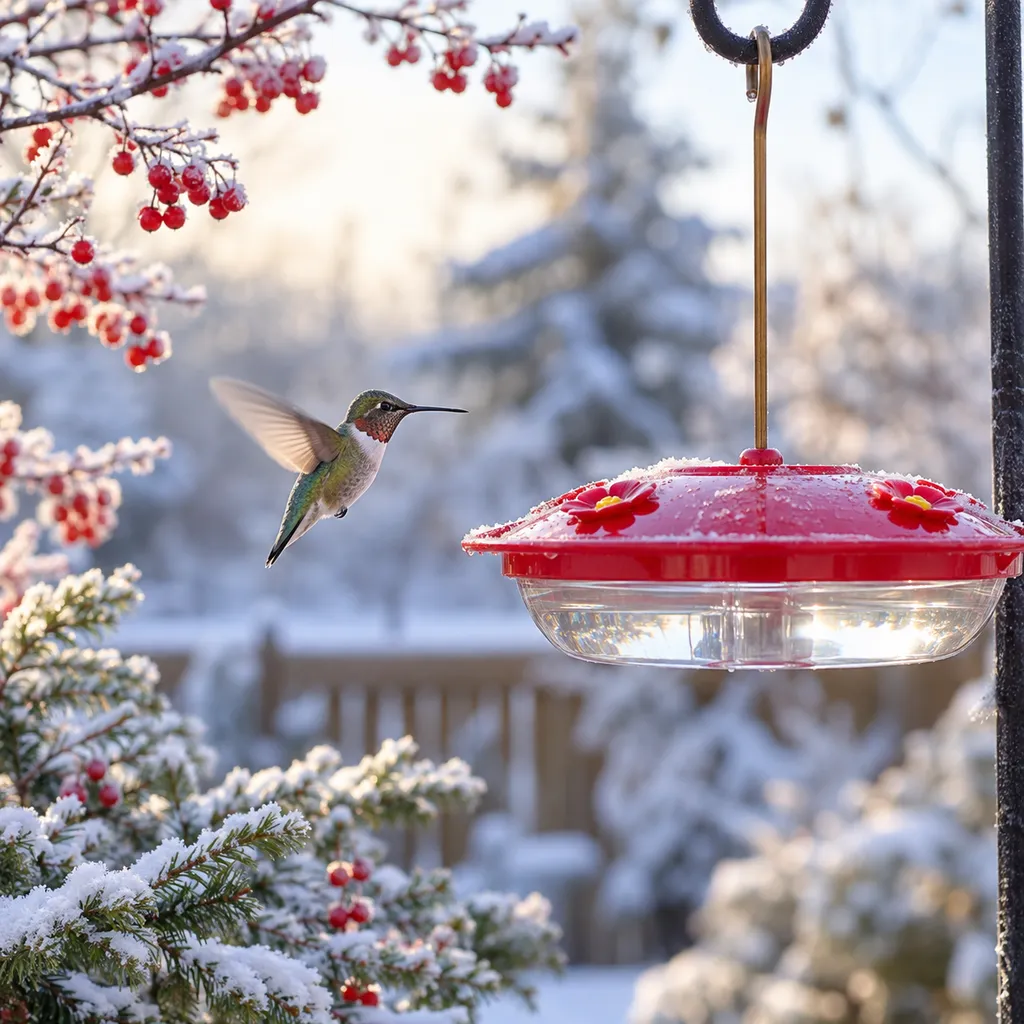
A hummingbird hovers beside a red feeder on a frosty winter morning.
Winter Feeding Cold Snap Plan for Winter Hummingbirds

When a freeze is coming, the priority is simple: keep a clean feeder thawed and available at dawn without changing the standard 4:1 nectar ratio.

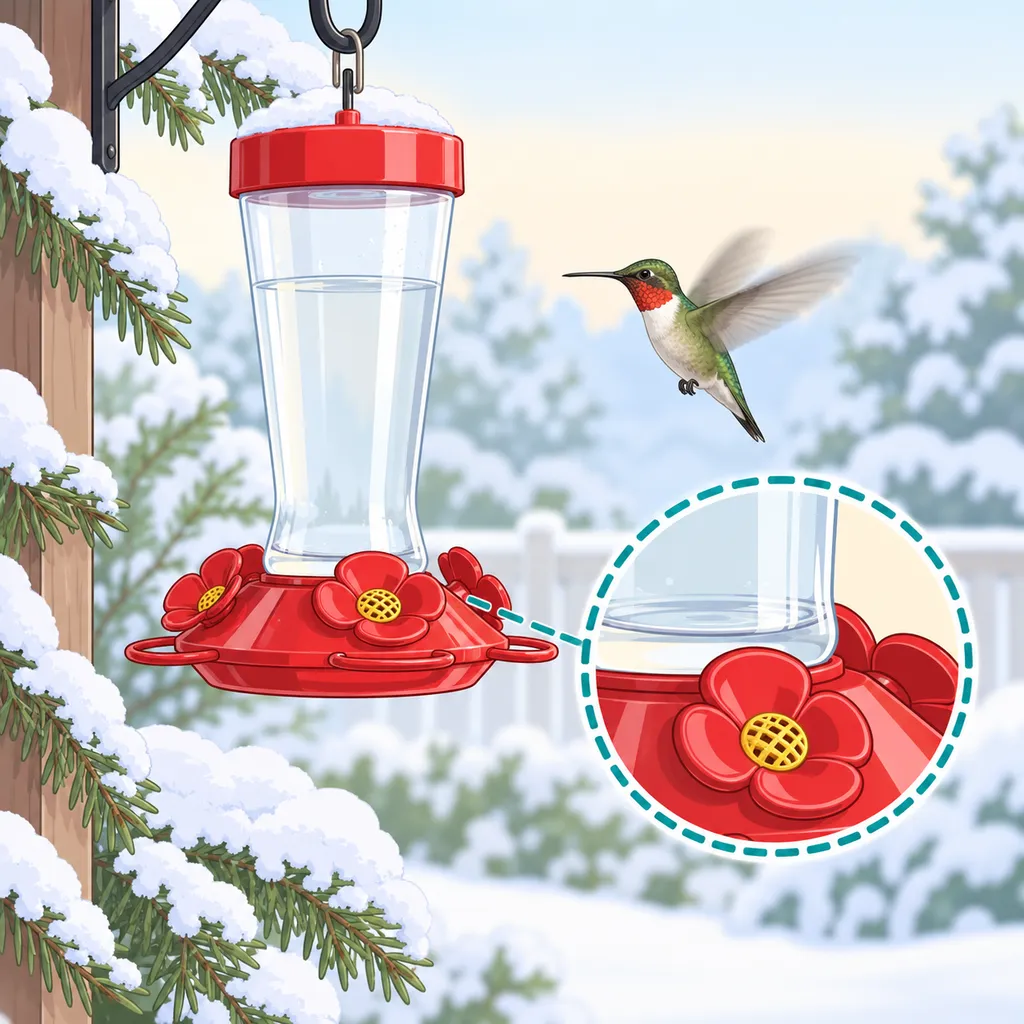
Illustration of a red hummingbird feeder with clear liquid nectar kept unfrozen in cold weather.
Winter Feeding How to Keep Hummingbird Nectar From Freezing

Use the standard clear nectar mix, rotate thawed feeders, and add safe gentle heat so winter hummingbirds can reach liquid nectar.

A red hummingbird feeder with clear nectar hangs in a snowy sheltered backyard as a hummingbird hovers nearby.
Winter Feeding Winter Hummingbird Feeding: The Complete Guide

Keep winter hummingbird feeders useful through cold weather with the standard 4:1 ratio, smart placement, rotation, heating choices, and realistic expectations by region.