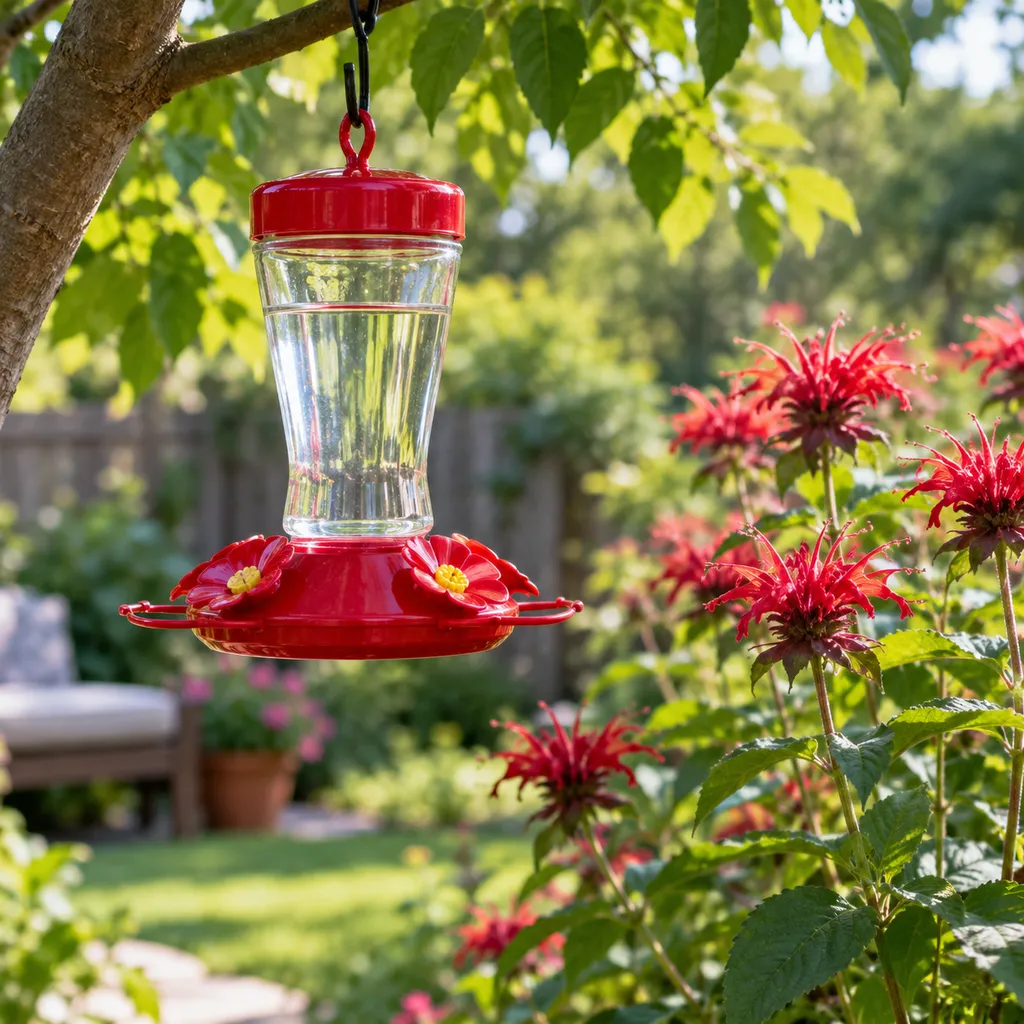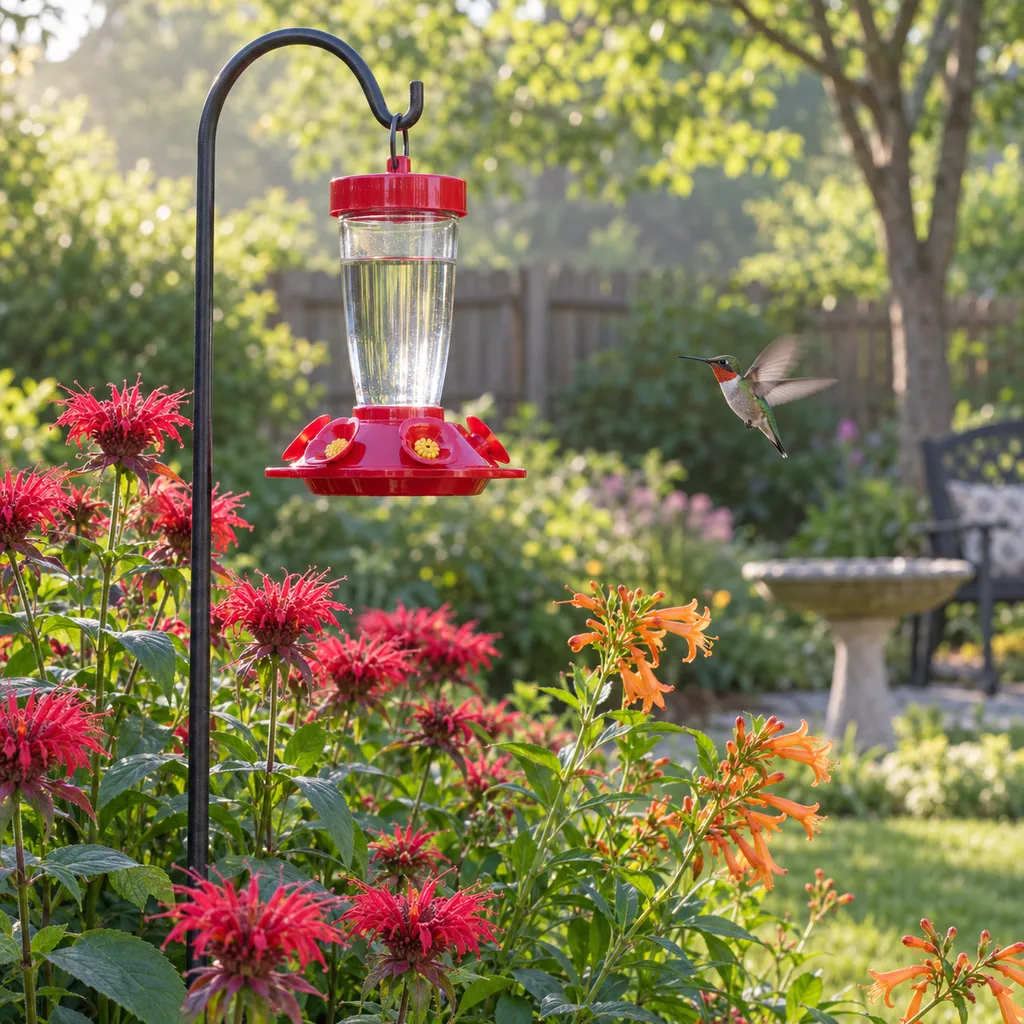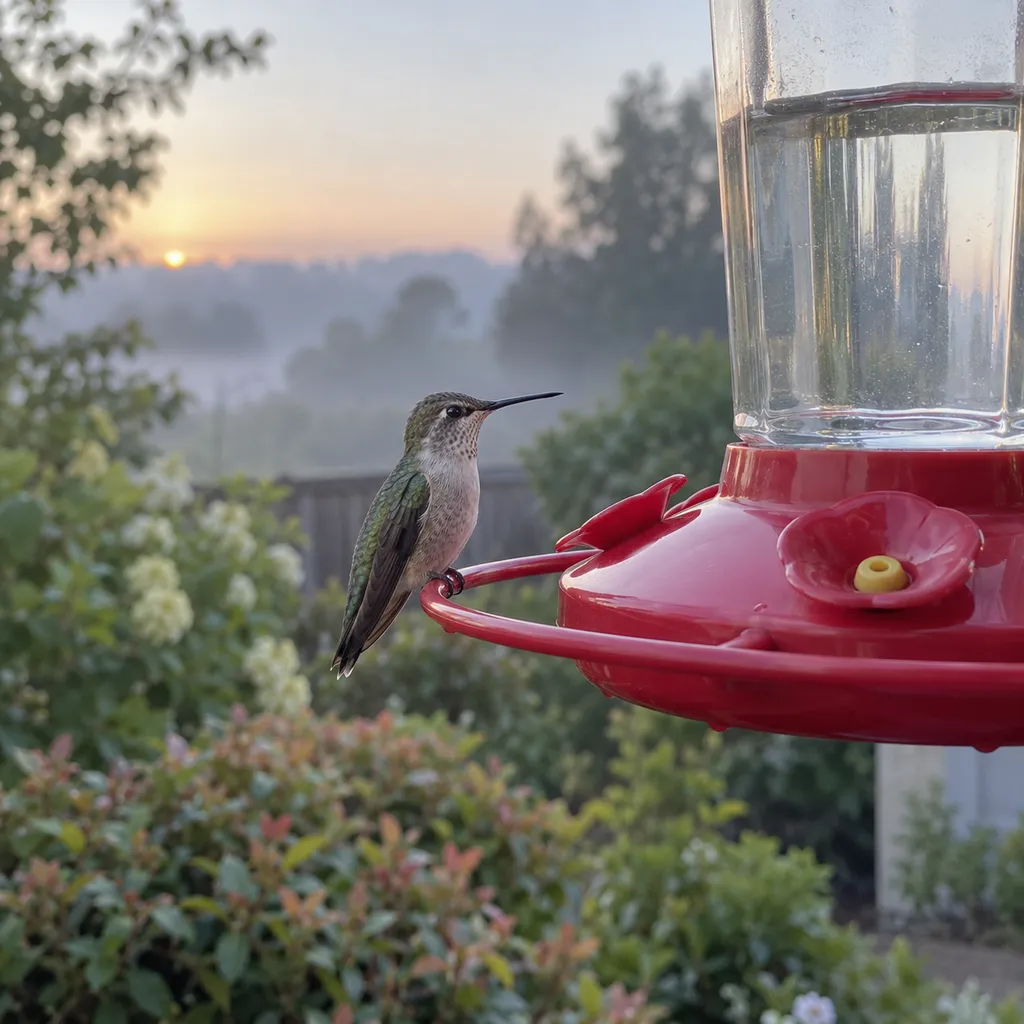
If a hummingbird is perched and not moving on your feeder, it may be conserving energy in torpor. Here is how to observe safely and keep the feeder useful.
10 guides in this collection. Page 1 Of 2
If a hummingbird is perched and not moving on your feeder, it may be conserving energy in torpor. Here is how to observe safely and keep the feeder useful.
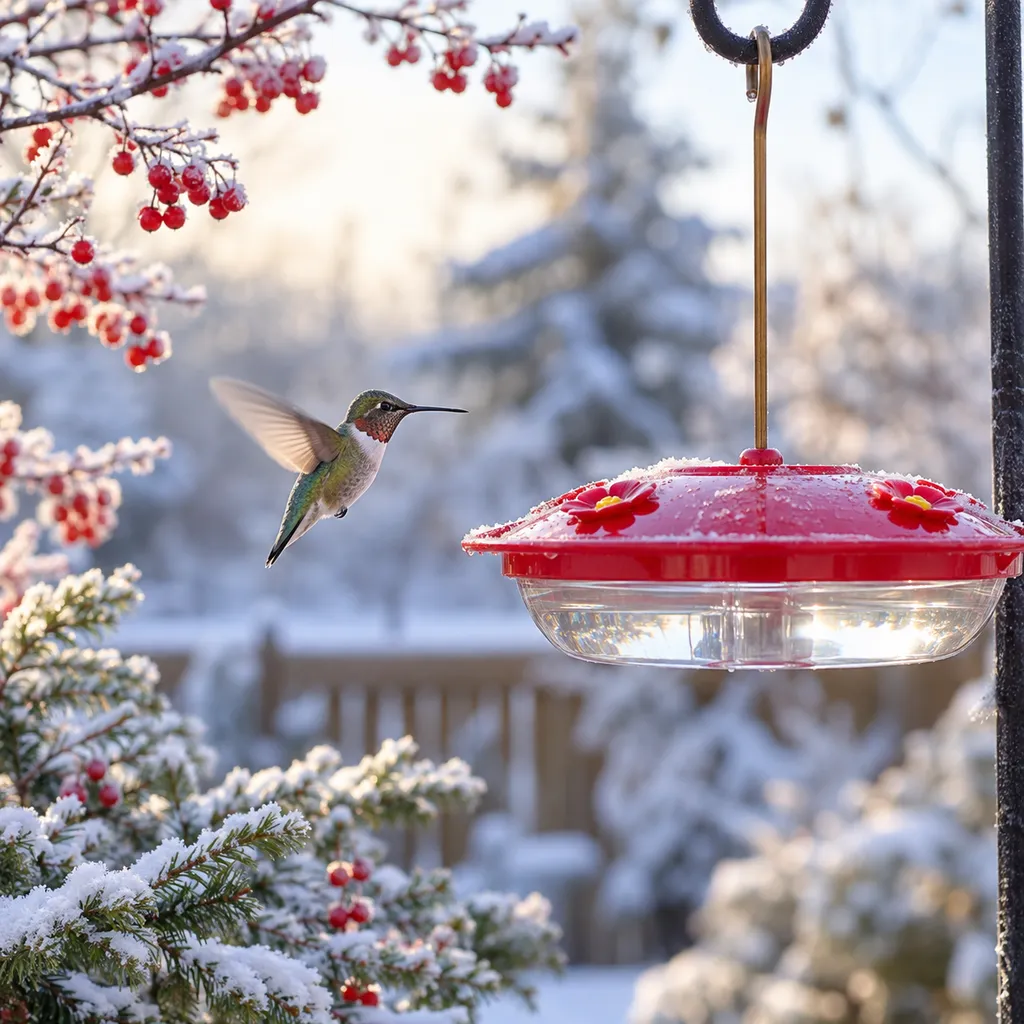
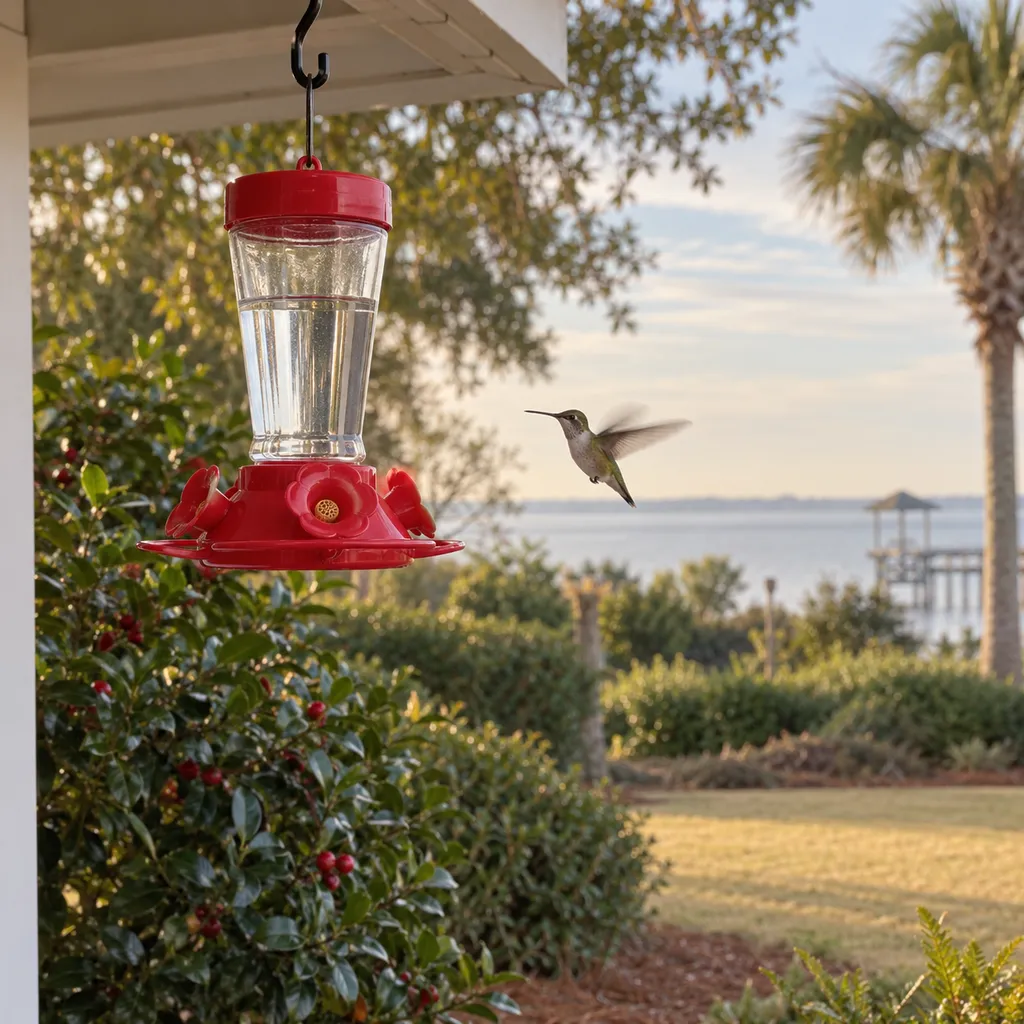
Gulf Coast yards can host winter hummingbirds, especially along coastal Texas, Louisiana, Mississippi, Alabama, and Florida. Here is how to keep a feeder useful without overcomplicating the routine.
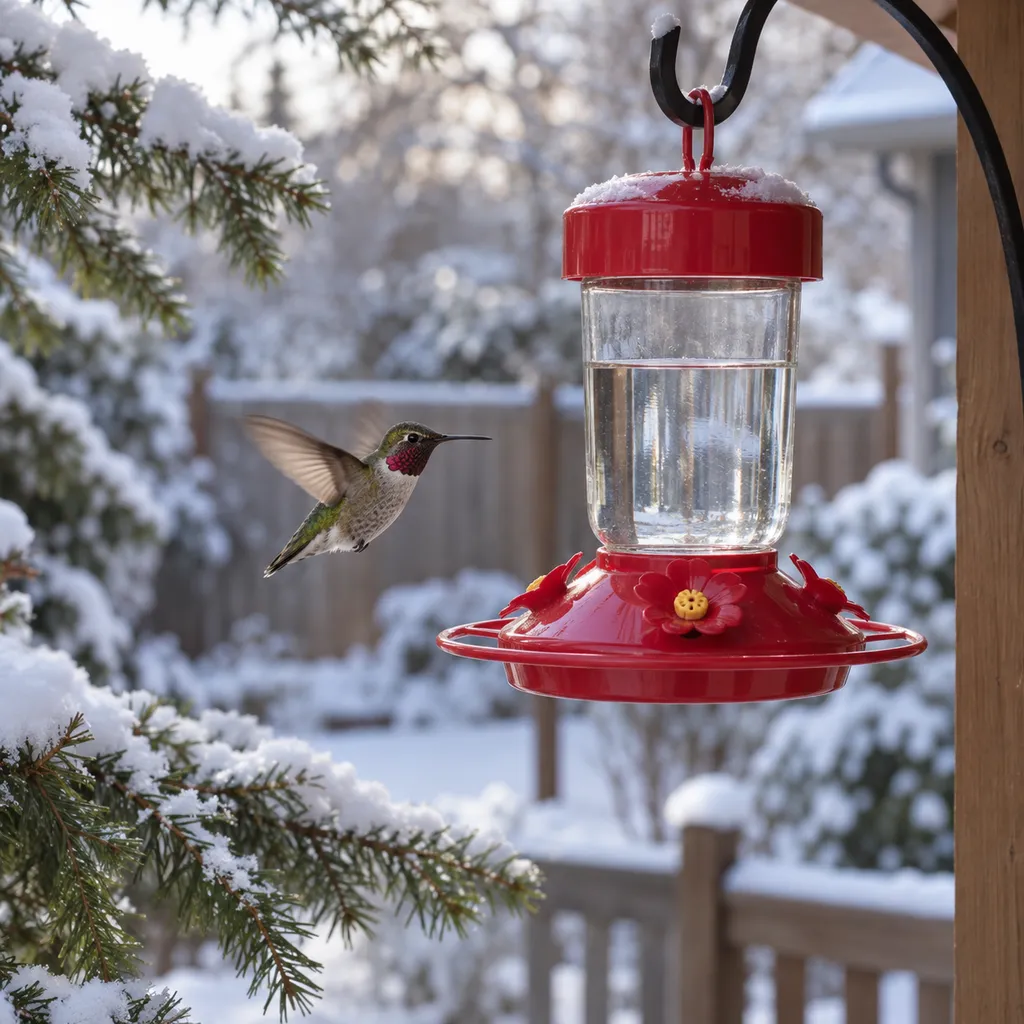
When a freeze is coming, the priority is simple: keep a clean feeder thawed and available at dawn without changing the standard 4:1 nectar ratio.
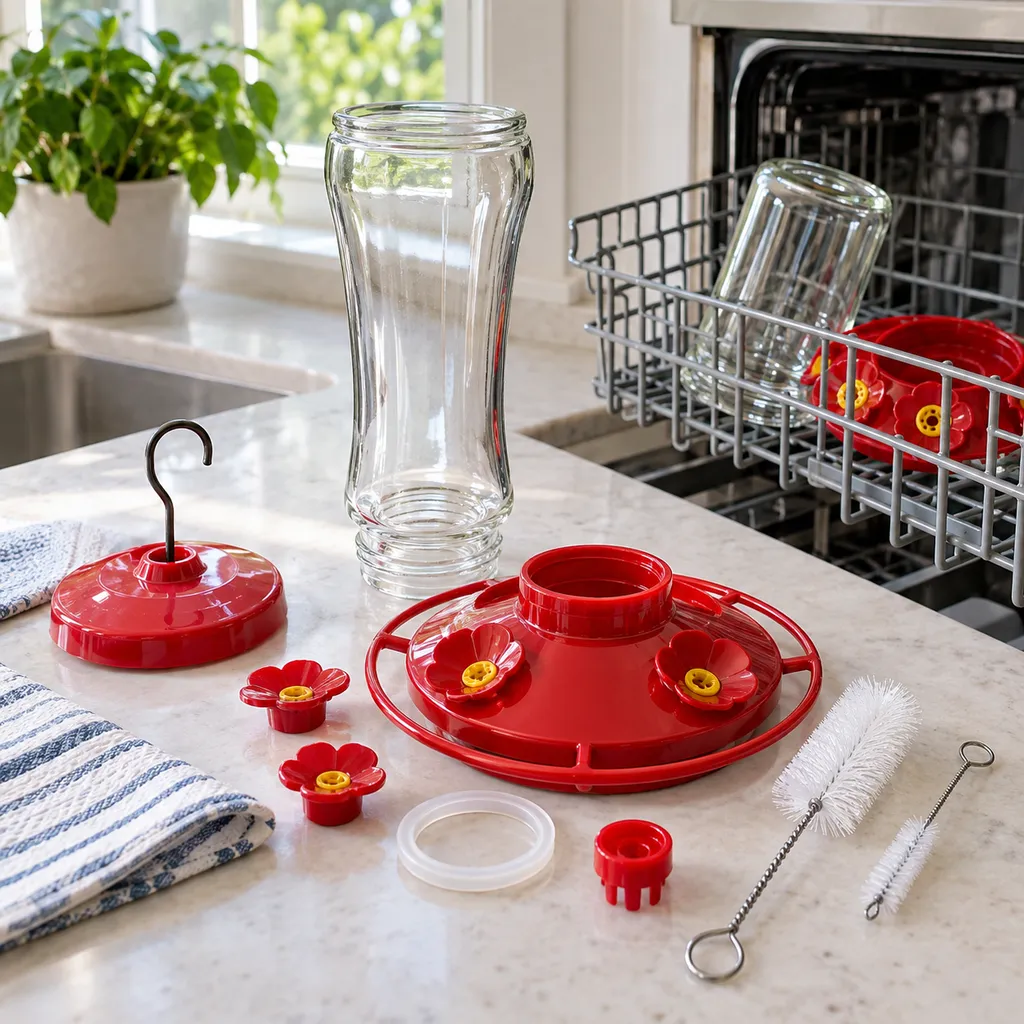
A dishwasher can help with some feeder parts, but it is not a shortcut around taking the feeder apart, brushing small ports, rinsing well, and checking for heat damage.
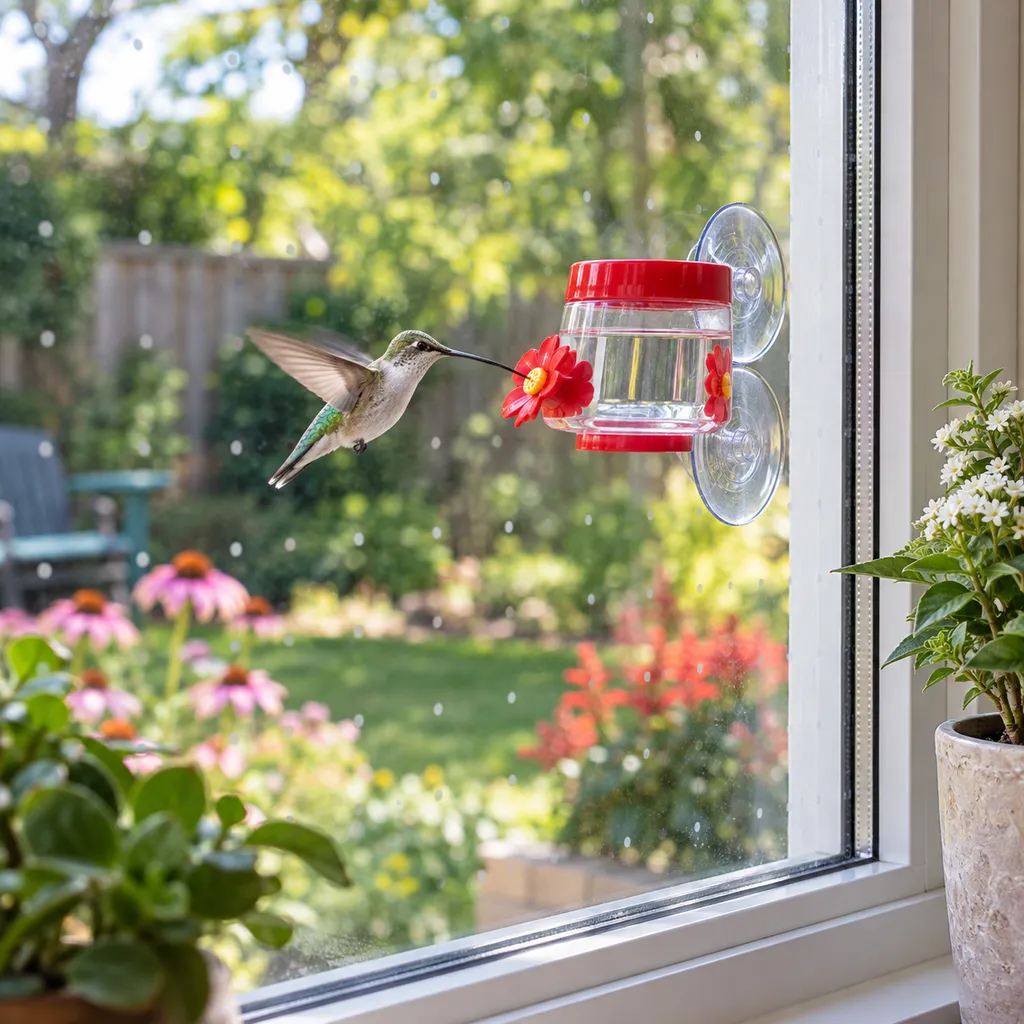
A window hummingbird feeder can be a safe, close-up option if you manage glass collision risk, secure the suction cups, keep nectar fresh, and choose an easy-clean design.
Keep winter hummingbird feeders useful through cold weather with the standard 4:1 ratio, smart placement, rotation, heating choices, and realistic expectations by region.
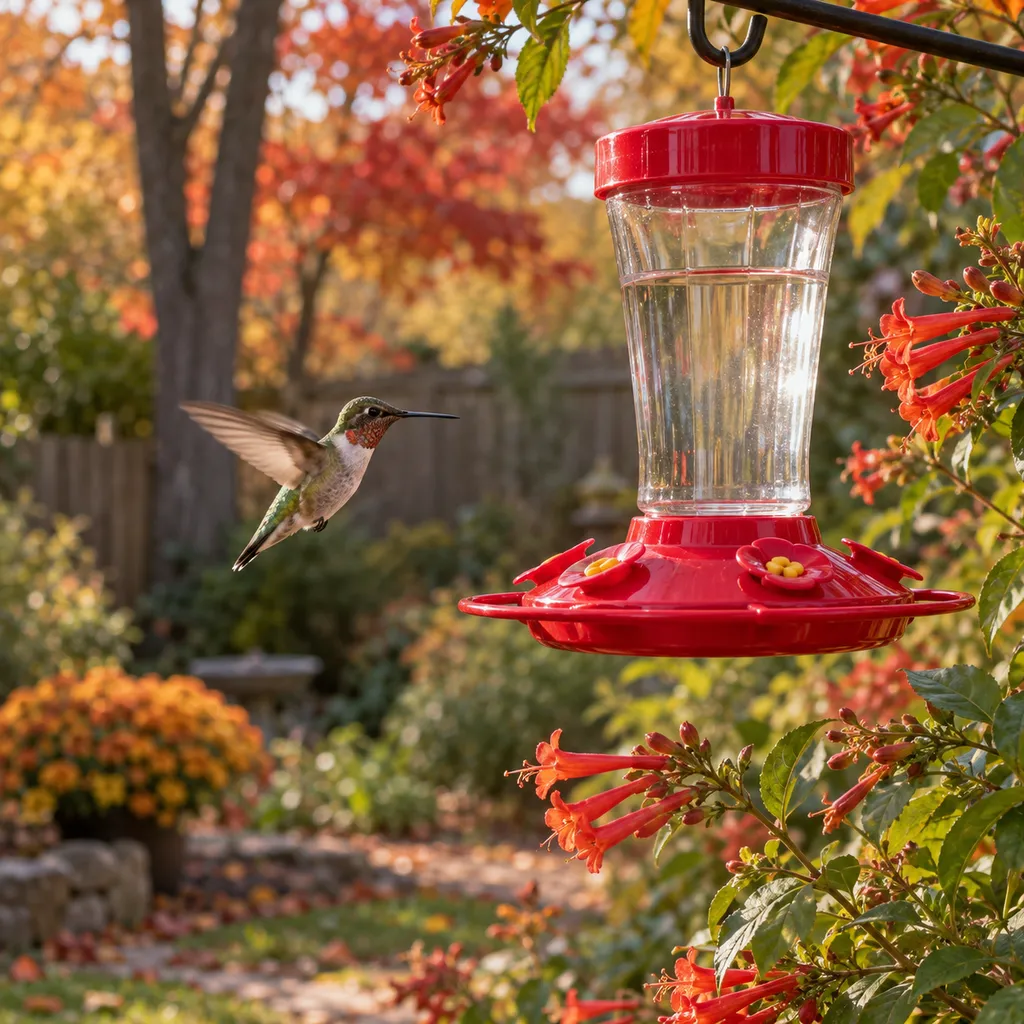
Feeders do not keep hummingbirds from migrating. The better question is how long to keep a clean feeder available for late migrants and stragglers.
A practical troubleshooting guide for empty hummingbird feeders, from timing and feeder placement to cleaning, pests, leaks, and territorial birds.
Put feeders out before hummingbirds arrive, using regional spring ranges instead of one national date. This guide covers timing, fall removal, and year-round areas.