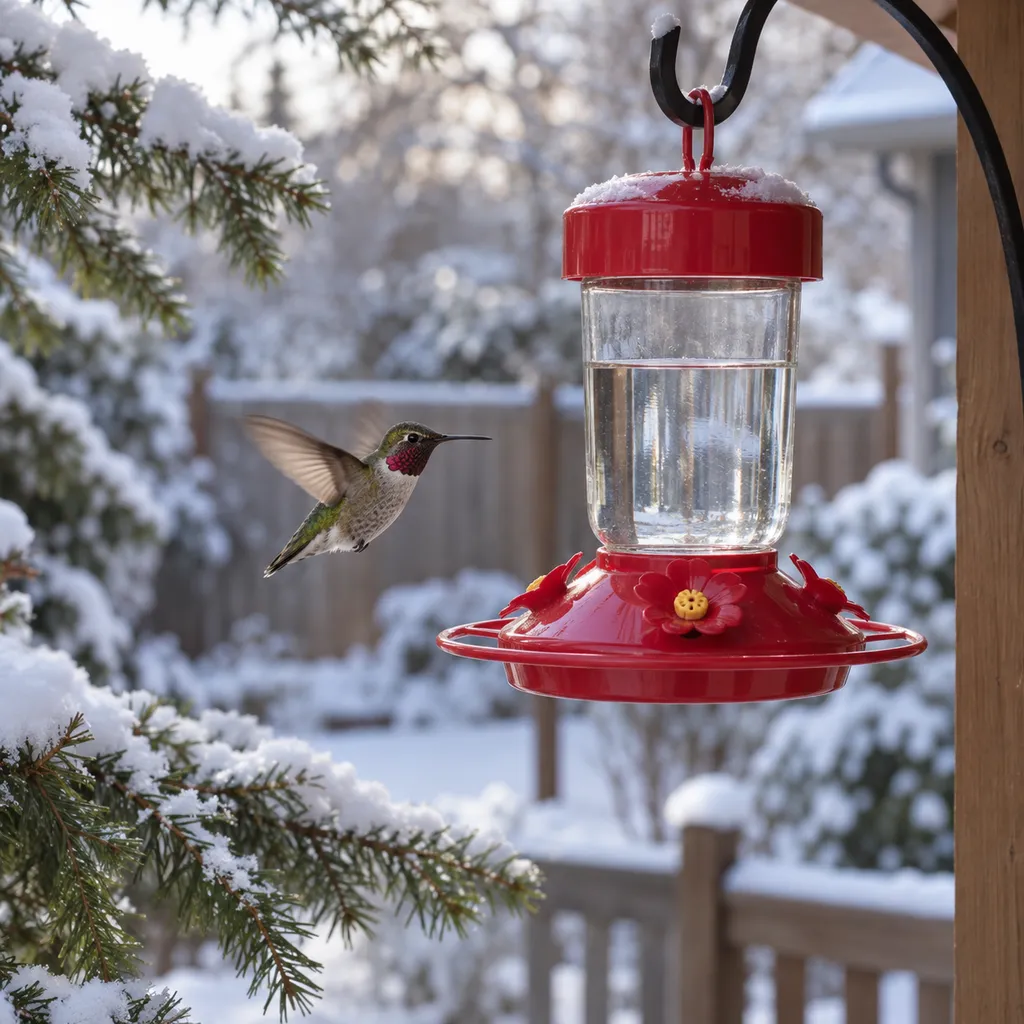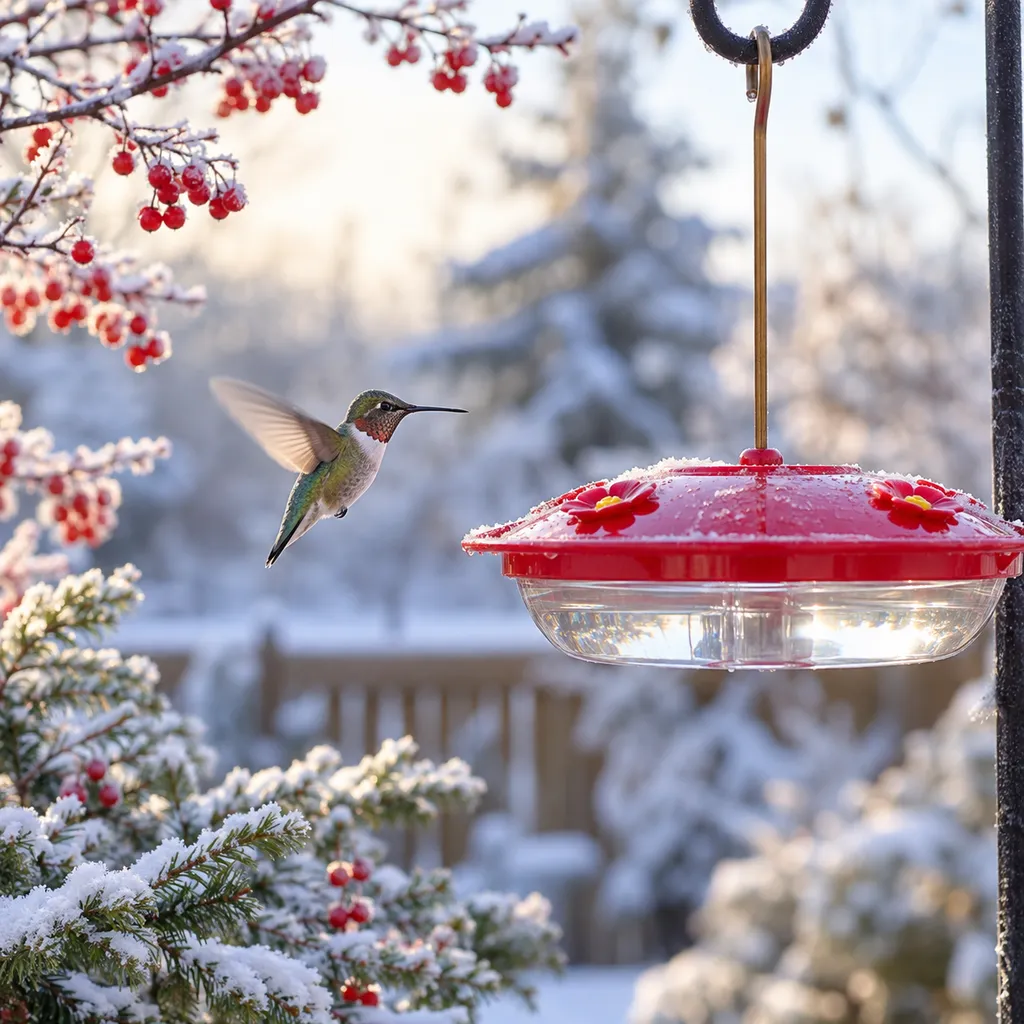
When a freeze is coming, the priority is simple: keep a clean feeder thawed and available at dawn without changing the standard 4:1 nectar ratio.
11 guides in this collection.
When a freeze is coming, the priority is simple: keep a clean feeder thawed and available at dawn without changing the standard 4:1 nectar ratio.
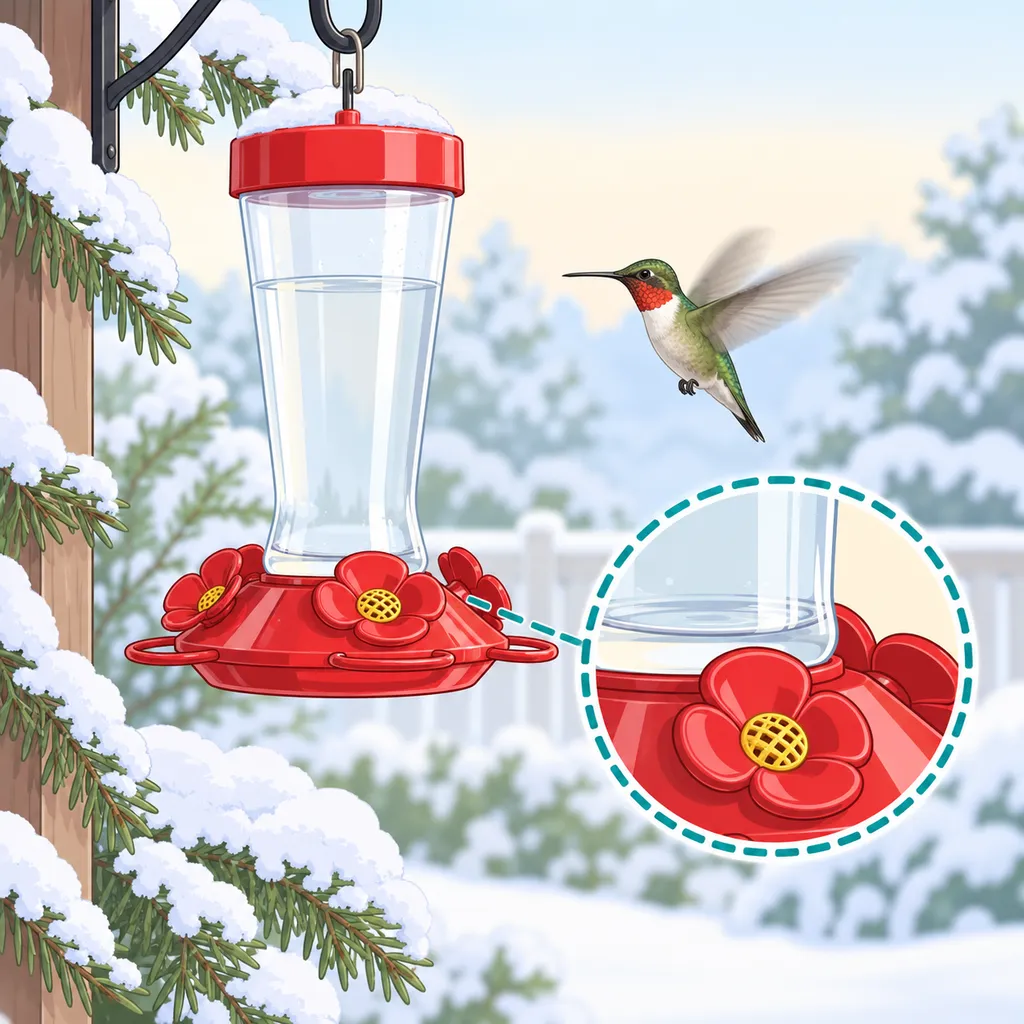
Use the standard clear nectar mix, rotate thawed feeders, and add safe gentle heat so winter hummingbirds can reach liquid nectar.
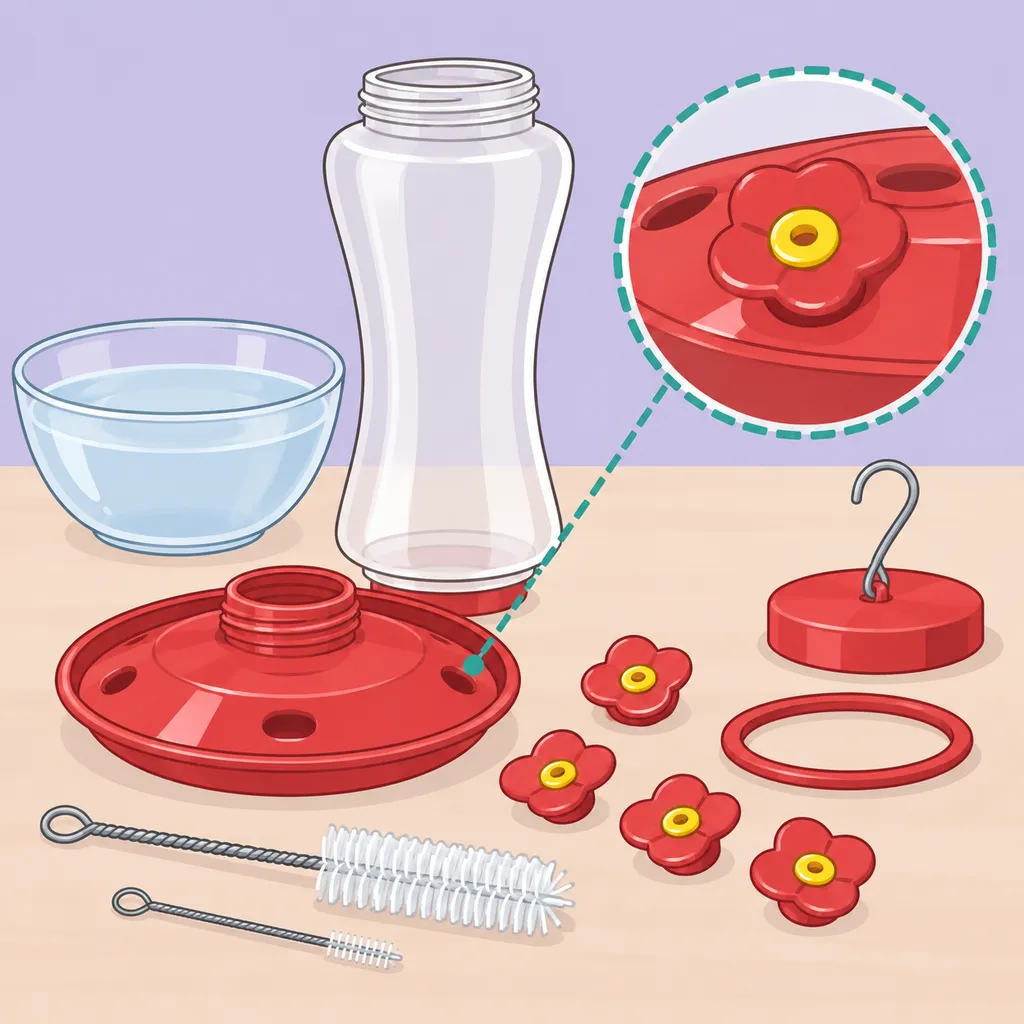
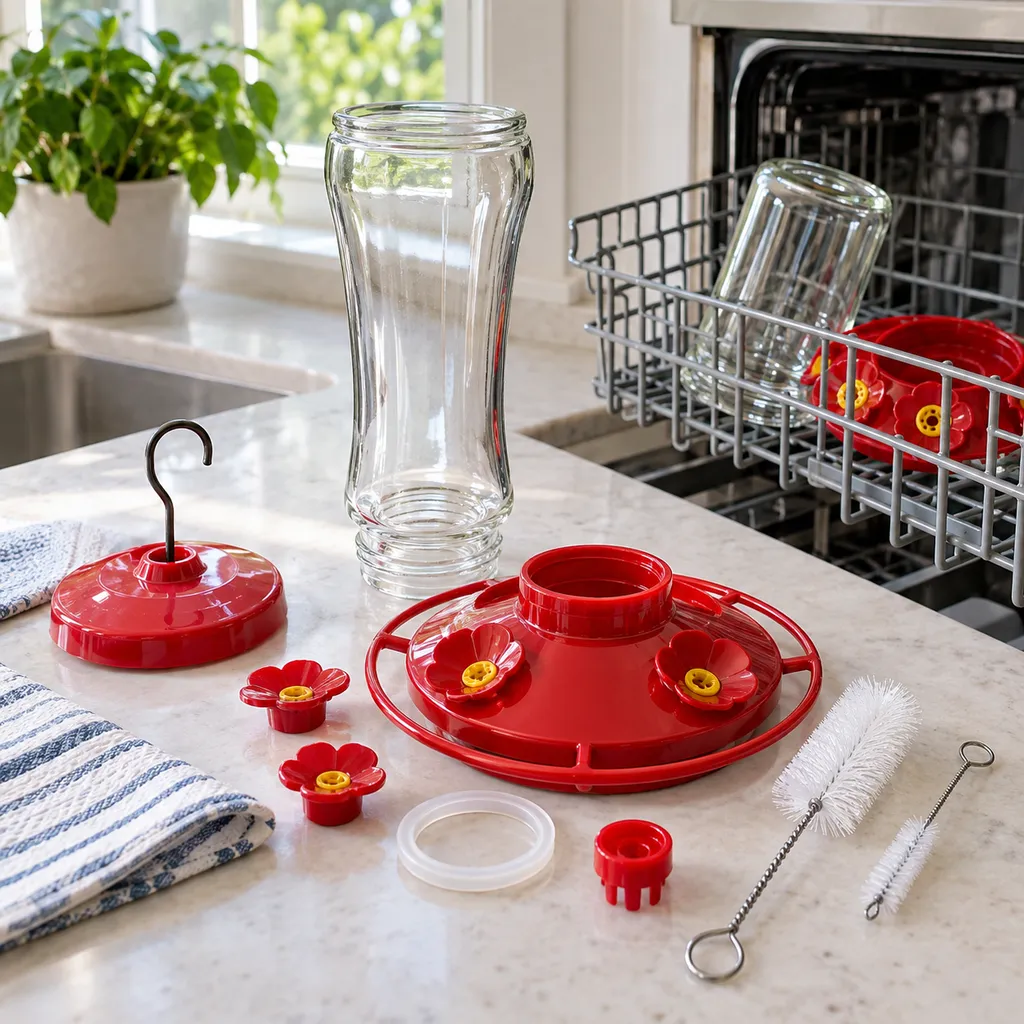
A dishwasher can help with some feeder parts, but it is not a shortcut around taking the feeder apart, brushing small ports, rinsing well, and checking for heat damage.
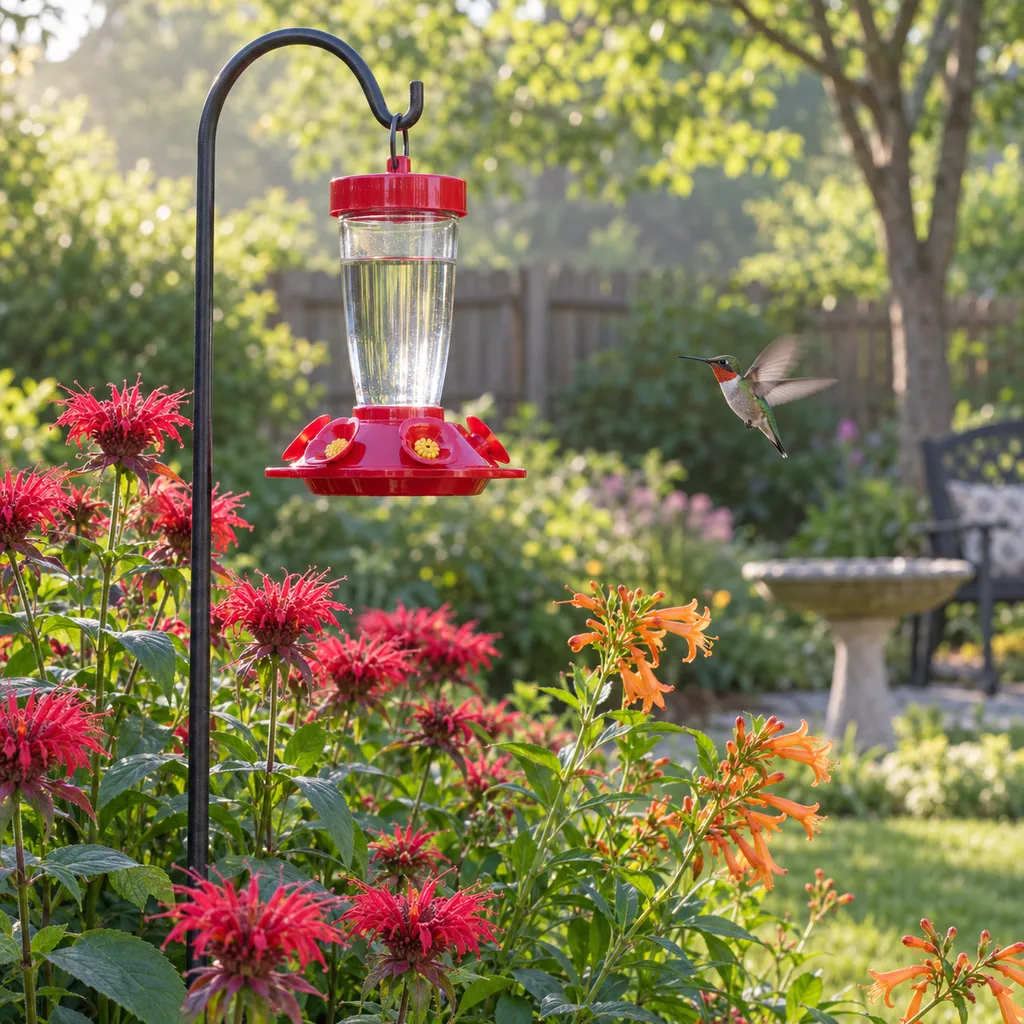
Keep winter hummingbird feeders useful through cold weather with the standard 4:1 ratio, smart placement, rotation, heating choices, and realistic expectations by region.
Feeders do not keep hummingbirds from migrating. The better question is how long to keep a clean feeder available for late migrants and stragglers.
A practical troubleshooting guide for empty hummingbird feeders, from timing and feeder placement to cleaning, pests, leaks, and territorial birds.
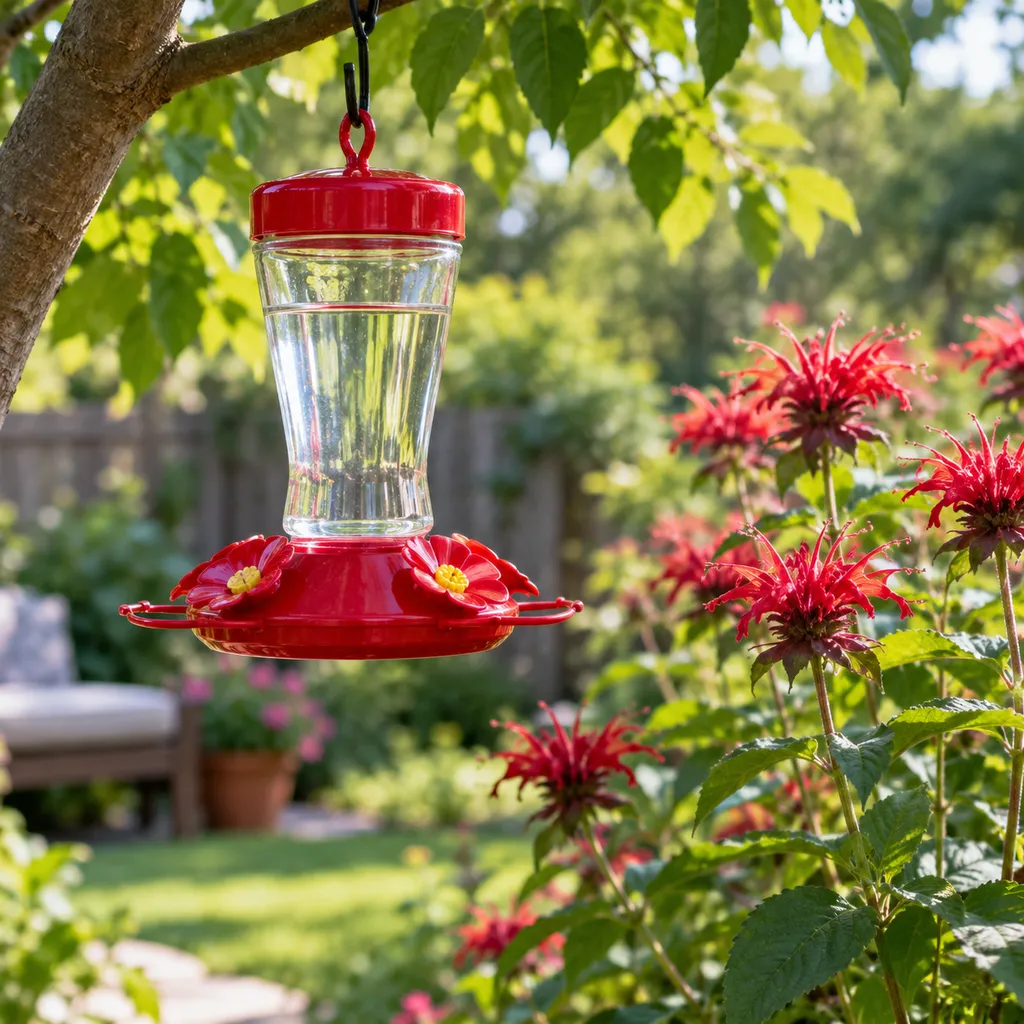
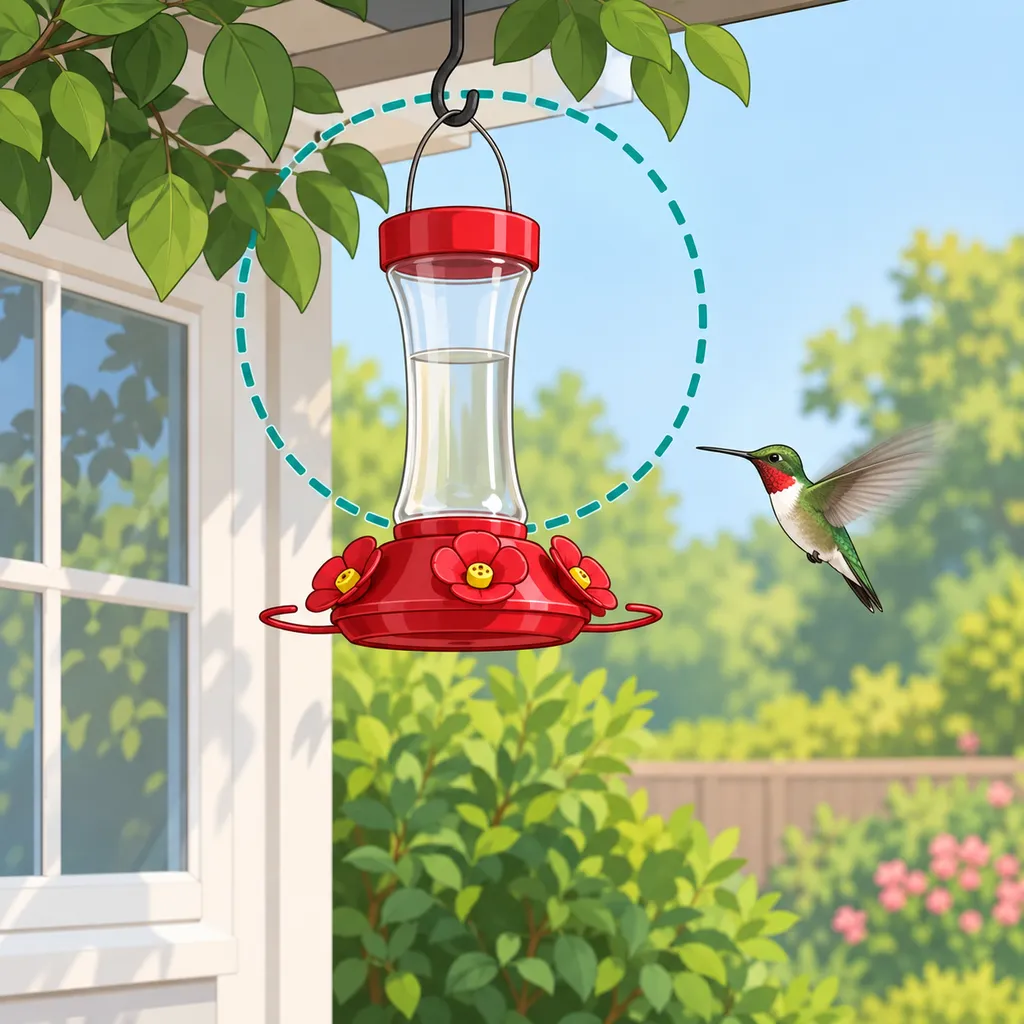
Place a hummingbird feeder where birds can find it, you can reach it, and common problems like hot sun, window collisions, wind, and guarding are easier to manage.
Put feeders out before hummingbirds arrive, using regional spring ranges instead of one national date. This guide covers timing, fall removal, and year-round areas.
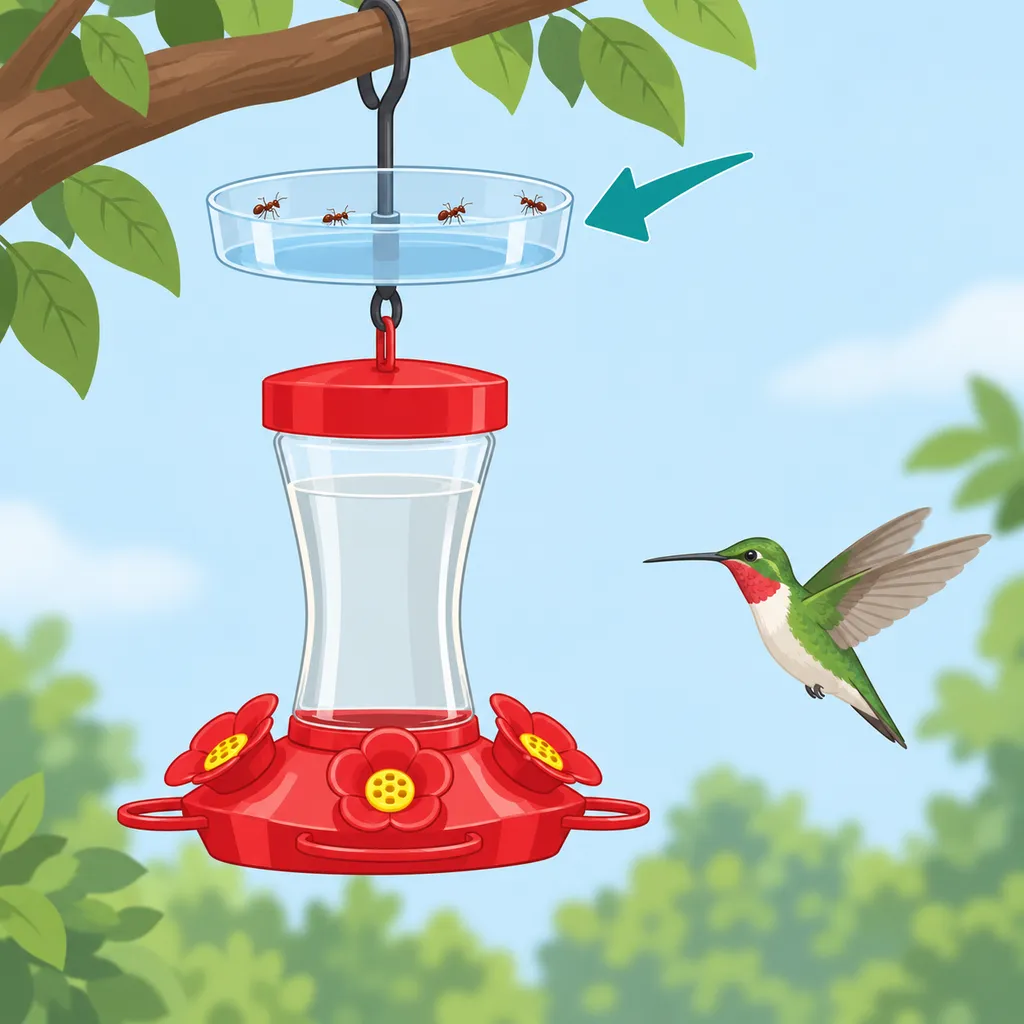
Use plain-water ant moats, stop drips, clean spills, and move the feeder when ants find it. Skip oils, sticky barriers, and insecticides.
A practical step-by-step routine for cleaning hummingbird feeders at every refill, removing mold from ports, and rinsing safely before adding fresh nectar.
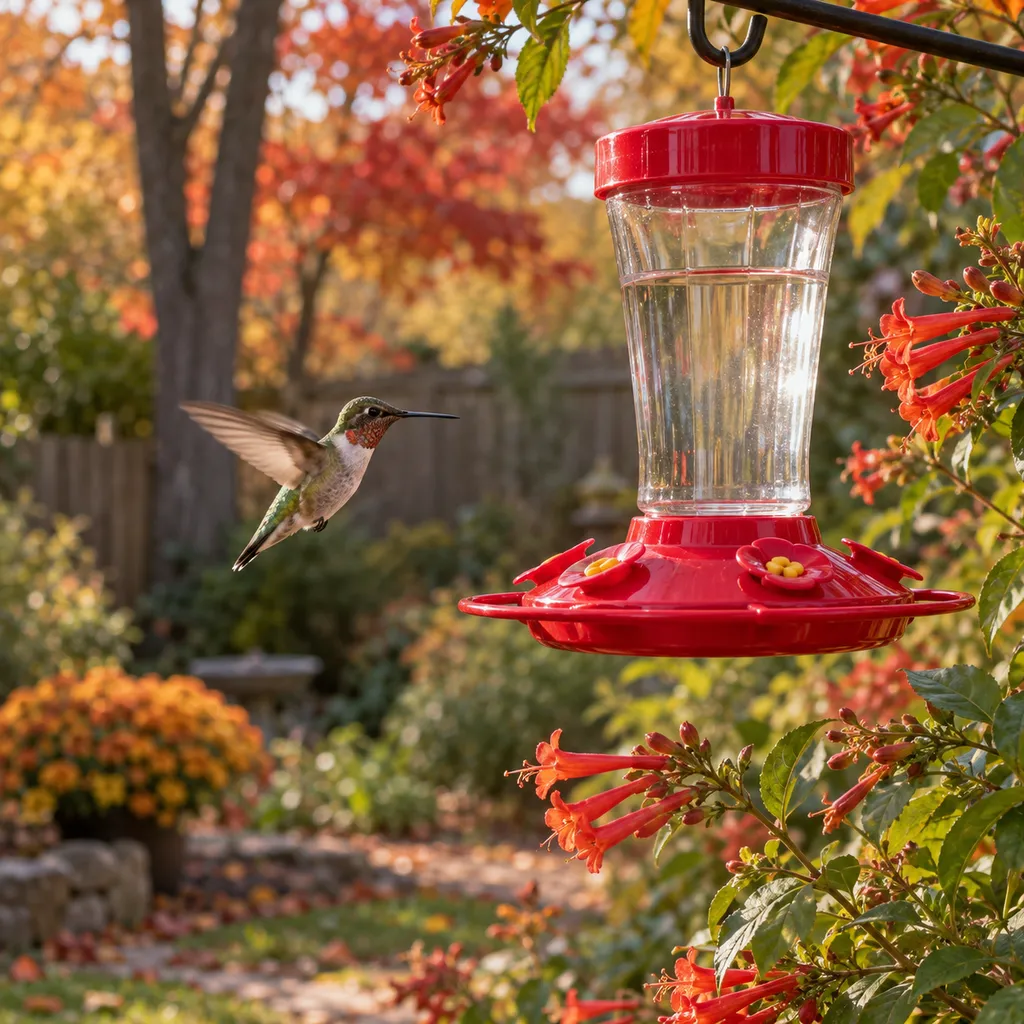
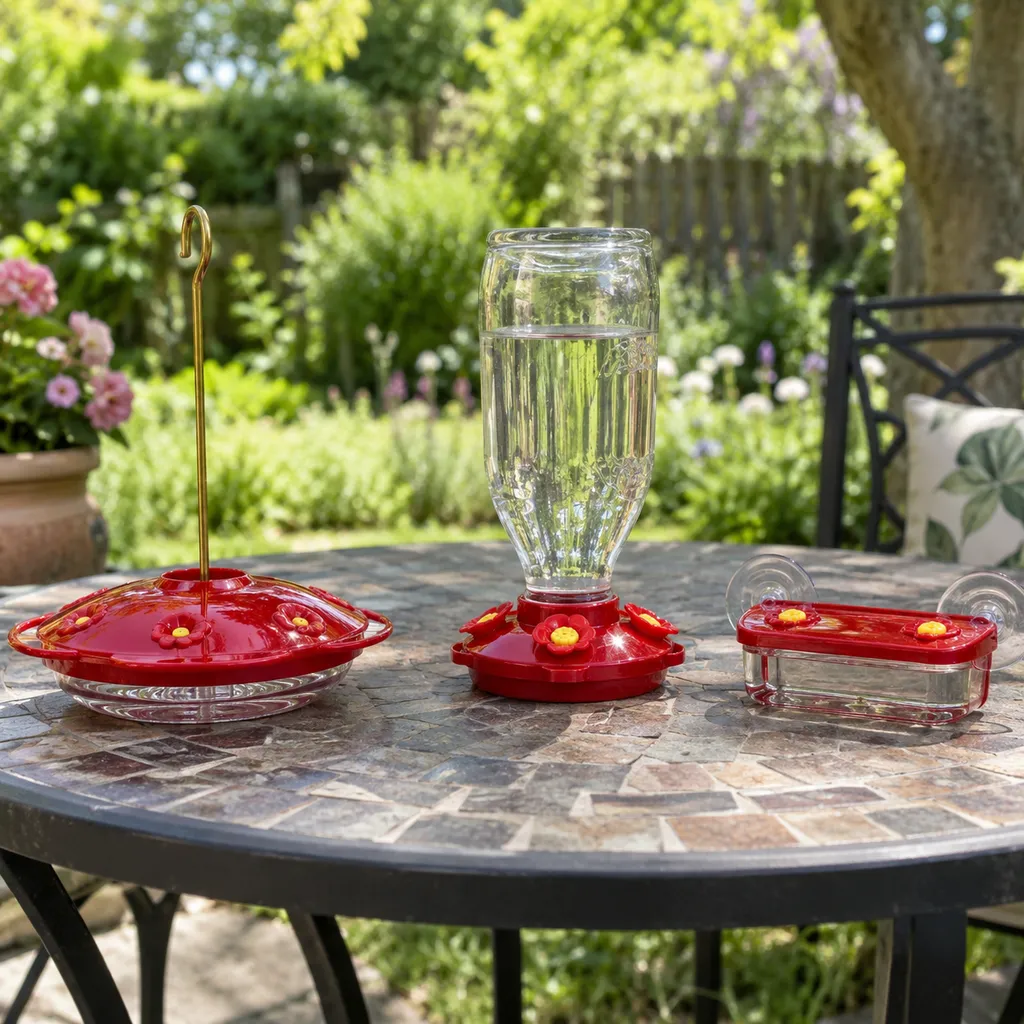
A practical guide to hummingbird feeder styles, materials and features so you can choose a feeder that is easy to clean, less prone to leaks and suited to your yard.